How to Choose Sports Shoes That Elevate Your Performance
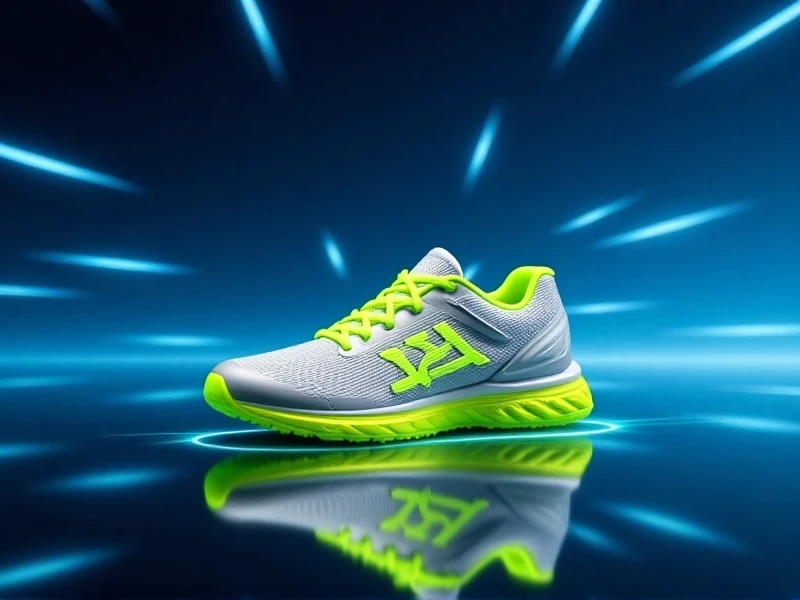
Okay, here is an SEO-optimized article focusing on "Sports Shoes", as requested:
Finding the perfect pair of sports shoes can feel like a daunting task. With endless styles, brands, and technologies filling shelves and websites, how do you ensure you're investing in footwear that truly supports your athletic endeavors? Understanding your specific needs and what quality sports shoes offer is the key to unlocking better comfort, performance, and injury prevention.
The cornerstone of great sports shoes lies in their technological innovation. Modern trainers aren't just about aesthetics; they're engineered systems. Brands invest heavily in cushioning systems – like responsive foams, air units, or gel pods – strategically placed to absorb impact where you need it most during running, jumping, or pivoting. Similarly, stability features built into the midsole or upper help control excess foot motion, crucial for injury-prone runners or lateral sports. Breathability through engineered mesh uppers keeps feet cool and dry, managing sweat effectively even during intense sessions. These advancements work together, transforming simple sports shoes into vital performance tools.
Choosing the right pair demands an honest assessment of your activity. Are you logging miles on the pavement? Running sports shoes prioritize forward motion cushioning and typically have higher mesh content for breathability over long distances. For basketball or tennis, look for models designed for rapid, multi-directional movements, featuring enhanced lateral support and grippy outsoles for court traction. Cross-trainers offer versatility, blending moderate cushioning and stability suitable for gym workouts, HIIT classes, or low-impact sports. Getting specific about your primary sport narrows down the field significantly.
Fit is non-negotiable. Performance sports shoes often run slightly differently than casual sneakers. Always measure both feet later in the day (feet swell slightly). Aim for about a thumb's width between your longest toe and the shoe end. The heel should cradle firmly without slippage, while the midfoot should feel secure, not restrictive. Your toes need ample room to splay naturally. Ignoring proper fit for a specific style is a surefire path to blisters or worse. Don't forget about insoles – if you require custom orthotics, ensure the shoes have removable insoles to accommodate them.
Finally, invest in the longevity of your sports shoes. Rotating between pairs if possible helps the cushioning recover, extending useful life. Clean them gently according to the manufacturer's instructions – harsh chemicals can degrade materials. Recognize when it's time for replacement. Most performance footwear lasts 300-500 miles before losing critical shock absorption and support, leading to potential discomfort and strain. Your next level of performance, comfort, and foot health starts from the ground up.