Your Ultimate Guide to Finding the Perfect Sports Shoes
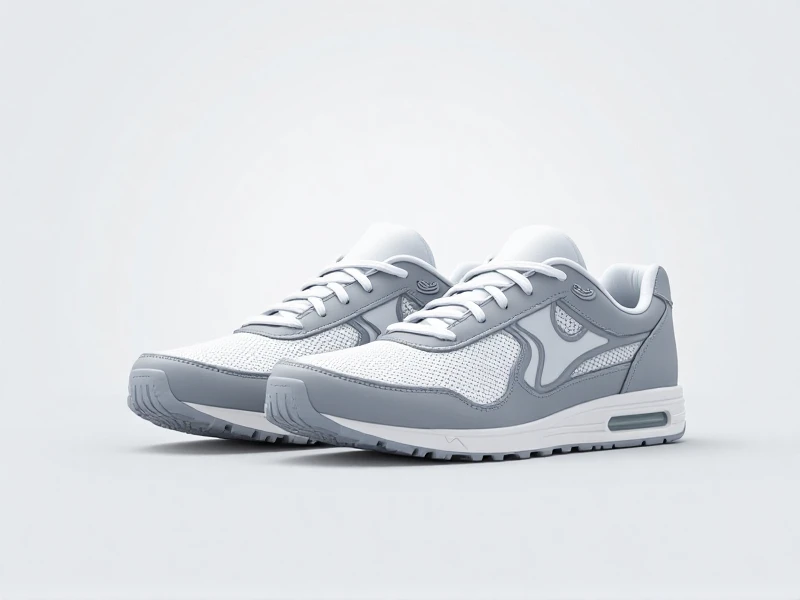
Choosing the right sports shoes isn't just about style; it's fundamental for performance, comfort, and preventing injury. Whether you're hitting the pavement for a run, dominating on the basketball court, or lifting weights at the gym, the correct footwear makes a significant difference. Understanding your needs is the first step towards peak athletic performance.
Why the Right Sports Shoes Matter
Ill-fitting or inappropriate sports shoes are a leading cause of workout discomfort and injuries like plantar fasciitis, shin splints, and ankle sprains. Performance also suffers significantly. Running in shoes designed for tennis forces your feet and legs to compensate unnaturally, wasting energy and increasing injury risk. The right pair provides essential support, cushioning, and stability tailored to your sport's specific movements.
Matching Shoes to Your Activity
- Running: Prioritize cushioning to absorb impact and lightweight flexibility for forward motion. Consider your gait (neutral, overpronation, underpronation) for targeted support.
- Court Sports (Basketball, Tennis, Volleyball): Look for side-to-side stability, ankle support, and durable outsoles with excellent traction for quick stops and lateral movements.
- Gym & Cross-Training: Shoes need versatility – stability for lifting, cushioning for jumps, and flexibility for agility drills. A flat, stable heel base is crucial.
- Walking: Comfort and arch support are paramount. Ample cushioning and a flexible forefoot enhance comfort for extended periods.
- Trail Running/Hiking: Essential features include aggressive tread for grip on uneven terrain, protective overlays to shield feet, and enhanced stability.
Key Features to Evaluate in Sports Shoes
- Cushioning: The midsole foam absorbs shock. Plush cushioning suits long-distance runners, while firmer responsiveness benefits sprinters or gym-goers.
- Support & Stability: Features like medial posts, heel counters, and arch designs help control foot motion (especially overpronation), crucial for injury prevention.
- Fit: Always try shoes on later in the day when feet swell. There should be a thumb's width of space at the toe. Your heel shouldn't slip, and the midfoot should feel secure without pinching. Never rely solely on size – fit varies drastically between brands and models.
- Breathability: Mesh uppers keep feet cool and dry during intense workouts, preventing blisters.
- Durability & Traction: The outsole rubber compound and tread pattern determine grip and how long the shoes withstand wear, especially important for abrasive surfaces like asphalt or courts.
Choosing Your Winning Pair
Consider your primary activity, foot type, and personal preferences for cushioning and support. Visiting a reputable retailer for a gait analysis can provide invaluable insights. Don't settle for looks alone. Investing in properly fitted, activity-specific sports shoes enhances comfort, boosts performance, and protects your most valuable workout assets – your feet and legs. Find your perfect fit at [Your Shop Name - Optional localized add] and step up your game today!