Your Ultimate Guide to Dominating the Game: Finding the Best Sports Shoes for Your Needs
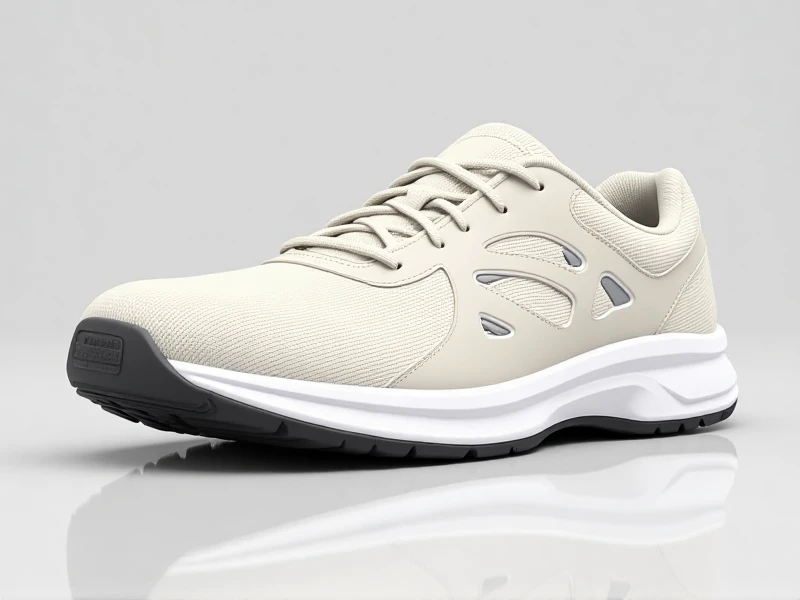
Choosing the right pair of sports shoes isn't just about style; it's fundamental to performance, comfort, and injury prevention. With countless options on the market targeting runners, basketball players, tennis enthusiasts, walkers, and gym-goers, navigating the world of athletic footwear can feel overwhelming. Understanding key factors can help you find your perfect match.
The single most critical decision revolves around your primary sports shoes activity. Running requires different support than lateral movements in tennis or basketball. Dedicated running trainers prioritize cushioning and forward-motion stability to absorb impact through miles of pavement or trails. Look for models with ample midsole foam (like EVA or newer super foams) and structured heel counters. For court sports like volleyball, tennis, or basketball, stability for quick side-to-side cuts and durable outsoles for traction on hardwood or asphalt are paramount. Cross-training sports shoes offer a versatile middle ground, balancing cushioning for cardio and lateral support for weightlifting or HIIT classes, making them a popular choice for gym enthusiasts.
Beyond the sport itself, consider your unique biomechanics. Pronation – how your foot rolls inward upon landing – significantly influences shoe needs. Neutral pronators typically suit cushioned or stability shoes, while overpronators often benefit from extra arch support and motion control features built into specific sports shoes. Visiting a specialty running store for a gait analysis can provide valuable insights.
Key features demand attention:
- Cushioning: Level varies dramatically. Runners logging long distances often crave maximal cushioning, while sprinters or basketball players might prefer responsive, lower-to-the-ground platforms for quicker energy return.
- Support & Stability: Crucial for preventing ankle rolls during lateral movements or correcting pronation. Look for features like medial posts, wider bases, and secure heel counters.
- Fit & Comfort: Sports shoes should fit snugly but not restrictively, with about a thumbnail's width of space ahead of your longest toe. Materials like engineered mesh enhance breathability, keeping feet cool during intense workouts. Always try on shoes later in the day when feet are slightly swollen and wear performance socks.
- Outsole: Durable rubber with sport-specific tread patterns is essential for grip. Trail running shoes feature aggressive lugs, while court shoes have distinct herringbone or multi-directional patterns.
Investing in the correct sports shoes tailored to your foot and activity elevates your game. It enhances comfort, boosts efficiency, minimizes fatigue, and significantly lowers the risk of strains, shin splints, and joint pain. Don't settle for a generic fit – identify your discipline, understand your feet, prioritize essential technologies, and step into the perfect pair engineered for your peak performance journey. Replace worn shoes after 300-500 miles to maintain optimal support and benefit.